Moving Power: A Resource Mobilizer’s Fight for Equity in Brazil
May 26, 2026 - By Grace Anderson, The Lupine Collaborative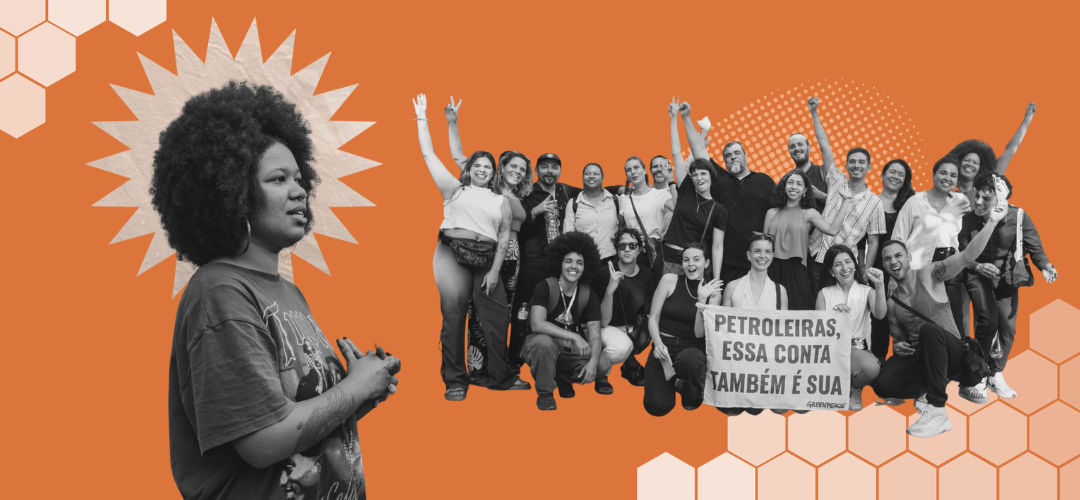
This is the third in a series of blog posts by Shifting Systems Initiative Fellow, Grace Anderson (The Lupine Collaborative), reflecting on Global Artivism — “a movement that makes the case that artists are not side players in social change—they are the center architects of it.” This series intends to highlight how Queer, Black, Indigenous, People of Color, and others on the margins continue to create what their communities need instead of waiting on the systems, including philanthropy, to change.
Since the age of 14, Andreia Simplicio has been an activist. Growing up in Brasilia, she sought opportunities to improve the lives of her family and community. In her activism, she came across organizations like UNICEF, the United Nations Population Fund, and others concerned with the health, education, and protection of children. She volunteered with these organizations throughout her youth, and that desire to bring about change followed her to college, where she earned a degree in social services.
Leaving college, Andreia went on to work in the social sector and government. No matter where she worked, she kept bumping up against the same challenge — a significant lack of money to support and sustain the critical work that she and her community needed. With the same spirit that fueled her at 14, Andreia decided to make a professional shift to mobilizing resources in hopes of bringing more resources into her community.
Now, based in Rio, Andreia is the Manager of Development & Fundraising at ELAS+ Doar para Transformar, which is “the first Brazilian fund to strengthen organizations of cis and trans women, and people with other trans identities.” For 25 years, ELAS+ Doar para Transformar has been transforming Brazilian society by moving money to those systemically under-resourced and extracted from.
It’s exactly where Andreia wants to be. “My life is really connected to the fund,” she says, “not only because I have experience mobilizing resources for a long time but because I am an activist and I know all the challenges of accessing the money we need to secure our future.”
Below is my interview with Andreia. Please note that Andreia’s first language is Portuguese, and mine is English. Andreia’s responses have been edited and approved by her for readability.
What is your work, and why is it important?
My work is centered on building and strengthening relationships through a strategic engagement approach that combines direct fundraising with network and partnership mobilization. That’s why I define myself as a resource mobilizer rather than simply a fundraiser. From my perspective, resource mobilization goes beyond operational tasks — it is grounded in non-negotiable ethical values, such as respect for territories, leadership, and social movements as core principles.
We are talking about something that defines all of our lives — money, and we’re talking about money coming into the right hands. Women in Brazil are always leading their territories, and we support them. We are moving power.
How do you wish money could move?
Money needs to move with more equity. Money in women’s hands is transformative. Women are leading families and territories, so if we support women, we can change a lot of things.
And money is needed to repair. We need to face historical violence with the intention to repair, and that requires money because, under capitalism, money moves infrastructure. When we talk about reparations, we are talking about marginalized populations like descendants of enslaved people, indigenous people, and women.
Why do you need to be doing the work you’re doing?
I do this work because the presence of young Black women breaking into the philanthropic ecosystem is critical to shifting narratives and challenging existing power dynamics. These actors play a decisive role in provoking new social perceptions and influencing how philanthropy engages, negotiates, and ultimately decides which communities are prioritized. An intersectional lens is not just an analytical tool — it is essential for driving a more equitable redistribution of resources in Brazil.
What influences how you organize or move in the world?
What guides me is the possibility of creating new opportunities for Black, LGBTQIAPNB+, young, and peripheral communities. I am especially driven by the understanding that children and adolescents represent the future — they will carry forward and expand the struggles and achievements we are building today.
What other movements are necessary for you to do your work?
The Brazilian Black woman’s movement is fundamental to my work. It is from their realities, needs, and demands that we can shape programmatic metrics, mobilize community transformation, and influence both the design and implementation of public policies.
In this sense, the Black women’s movement represents what the Brazilian activist Nêgo Bispo describes as “beginning, middle, and beginning.” This philosophy challenges Western linear notions of time. Instead, it affirms a cyclical understanding of existence — one that centers ancestry, resistance, and the idea that struggles and transformations are ongoing, constantly renewing rather than ending.
Given the multiple crises and needs in the world, how do you stay focused and prioritize what’s important?
Practicing my religion makes me feel good and powerful. I am Candomblé, an Afro-Brazilian religion and spiritual practice with African roots. Its spiritual guidance gives me the energy and strength to navigate all the challenges of my life. I think we all need something that supports our souls because we are better able to care for others when we are good ourselves.
In addition, I nurture my relationships with my family, friends, colleagues, and people who are close to me because that’s where it starts.
-
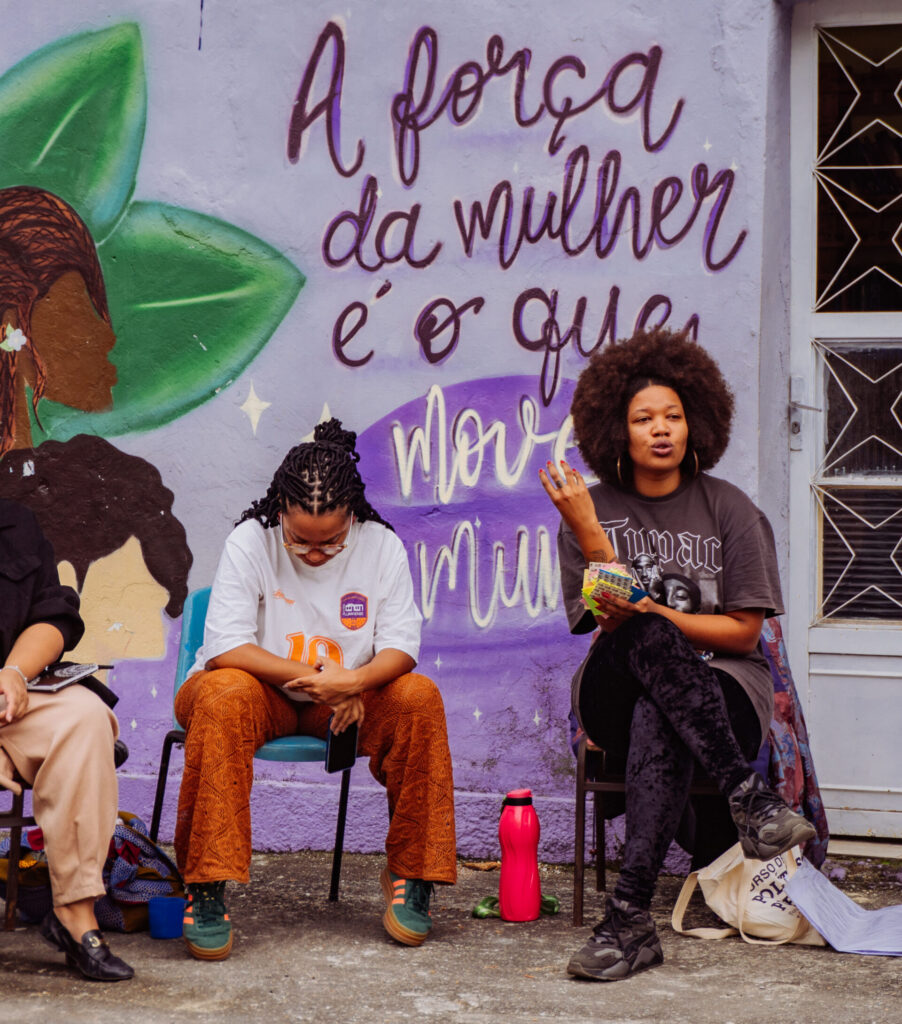
- photo credit: Casa Fluminense
-
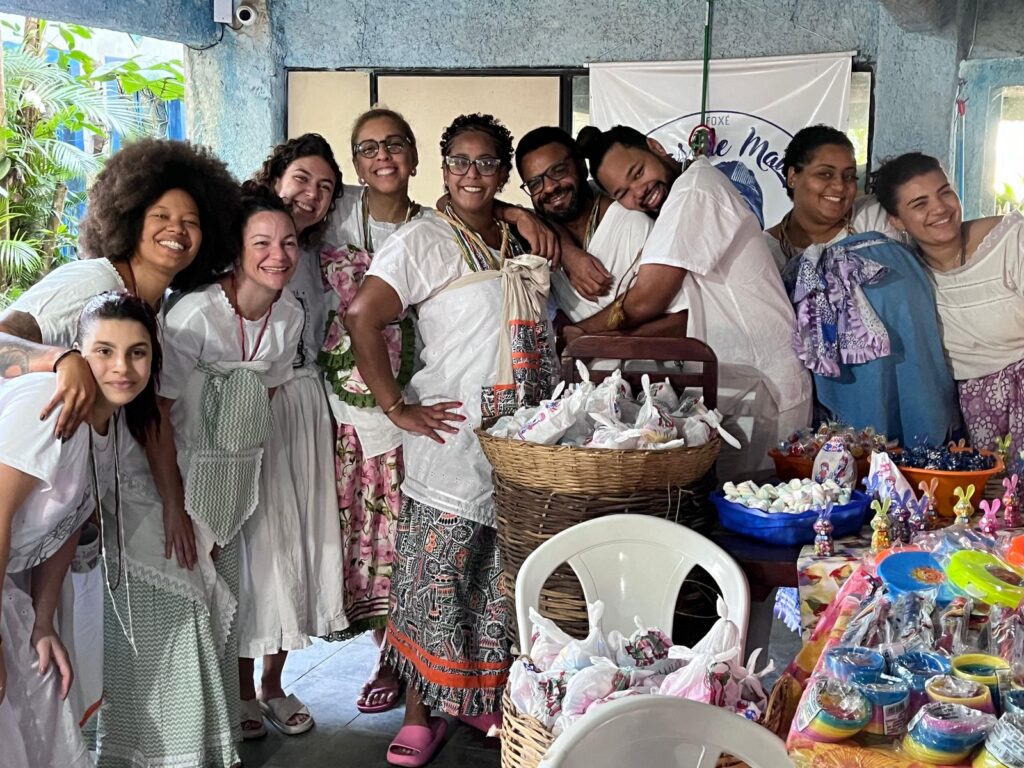
- photo credit: Ilê Asé Ofá
Back to News