Obodo Nigeria Wants to Rewrite Who Gets to Tell Africa’s Stories
July 09, 2026 - By Grace Anderson, The Lupine Collaborative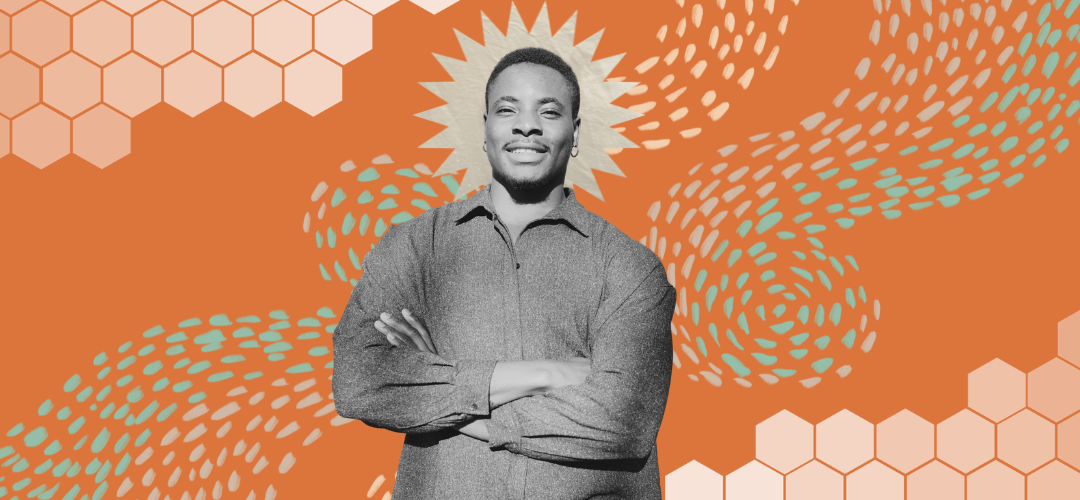
This is the fourth in a series of blog posts by Shifting Systems Initiative Fellow, Grace Anderson (The Lupine Collaborative), reflecting on Global Artivism — “a movement that makes the case that artists are not side players in social change—they are the center architects of it.” This series intends to highlight how Queer, Black, Indigenous, People of Color, and others on the margins continue to create what their communities need instead of waiting on the systems, including philanthropy, to change.
I first encountered Matthew Blaise on the dance floor. It was the opening night of the Global Artivism Summit in Bahia, Brazil, and I stood timidly on the edge of the empty space while Blaise confidently moved to the center, locked in with the DJ, and danced effortlessly to the music. As he moved, he looked around the room, warmly encouraging others to join him. With ease, he welcomed others onto the dance floor until it was full of people singing, dancing, and laughing.
Blaise’s movement on the dance floor mimics how he organizes. He boldly steps into a space and then reaches out for others to join him. It’s a dance he has found himself in regularly as a queer Nigerian working to create space for stories that come from his community. Blaise understands that culture is created through stories. Stories inform laws and practices and ultimately become the social fabric of a society. When certain communities are forbidden or punished for telling their stories, their experiences are fabulized, which leads to erasure and hostility.
This has been the case in places like Nigeria, Ghana, and other African countries that have recently passed legislation to ban and criminalize queerness, making day-to-day life hostile and deadly for the queer people living there. To counter this, Blaise founded Obodo Nigeria, a non-profit that empowers queer artists through arts, culture, and community in 2022. Obodo resources artists with the financial, social, and infrastructure capital necessary to contribute to the continent’s social fabric.
“Obodo”, an Igbo word, holds multiple meanings. For some, it means community; for others, a place of comfort; for others, a people. Obodo Nigeria reflects all of these meanings and serves as an invitation for queer Nigerians to find home in a culture and in a place that was always theirs.
“Obodo is very interested in knowledge production about Africa and how it is distributed. At Obodo, we ask, ‘What does it mean for queer people to be part of that knowledge production and engaged in the cultural production of society?’” says Blaise.
Based in Lagos, Nigeria, the heart of West African culture, Obodo’s focus on arts and culture as a lever of change is decisive. At the center of the organization is the Obodo Artist Fund. The year-long program provides funding and capacity-building for artists and cultural producers interrogating issues of class, visibility, access, and power within African art ecosystems through a queer lens. The 2025 cohort explored how art moves through boundaries, archived stories that had been erased, and made visible the stories that refused silence.
Obodo’s Human Rights Film Fund amplifies marginalised voices who advocate for the basic rights and freedoms of all people. In 2024, Rete Poki and Ayo Lawson were recipients of the fund. In Traces of the Sun, Poki blends essay and documentary forms to explore the question, “What is love to you, a Nigerian?” and in Unburied, Lawson uses supernatural storytelling to follow the journey of Kai, a non-binary person navigating identity, rejection, and resilience in the face of societal and spiritual erasure. By resourcing these filmmakers, Obodo seeks to fill the canon of films for and by queer Africans.
Obodo Oma is an international artist residency that invites Black artists from across the diaspora to collaborate with Nigerian artists to advocate for LGBTQ+ people in Nigeria and beyond. Additionally, the organization offers advocacy and legal support, designs digital campaigns to amplify queer stories, and publishes zines, essays, policy briefs, and digital storytelling content to shape discourse and educate diverse audiences. Obodo’s most recent publication, an anthology, The Shit and The Sunrise, is a dialogue on the everyday reality of queer life in Nigeria.
The Human Rights Hub is Obodo’s physical manifestation of its work. The space has a resource library, co-working space, and event space. Warmly lit and decorated with large plants, oversized floor pillows, and deep red rugs covering the floor, the Hub invites community members to use the space to “ work, connect, learn, rest, and organise.”
“Artists who are very passionate about social conversation and social change need to be resourced. If that means using my own social capital and connections I’ve made over time to get these resources over to them through Obodo, then that’s what I’ll do. Then that is what makes life worth living,” says Blaise.
Blaise has explicitly woven the message “you belong here” throughout Obodo’s programming. Through Obodo, he is leading the way, reaching back again and again to invite others to join him in their rightful place on the dance floor.
-
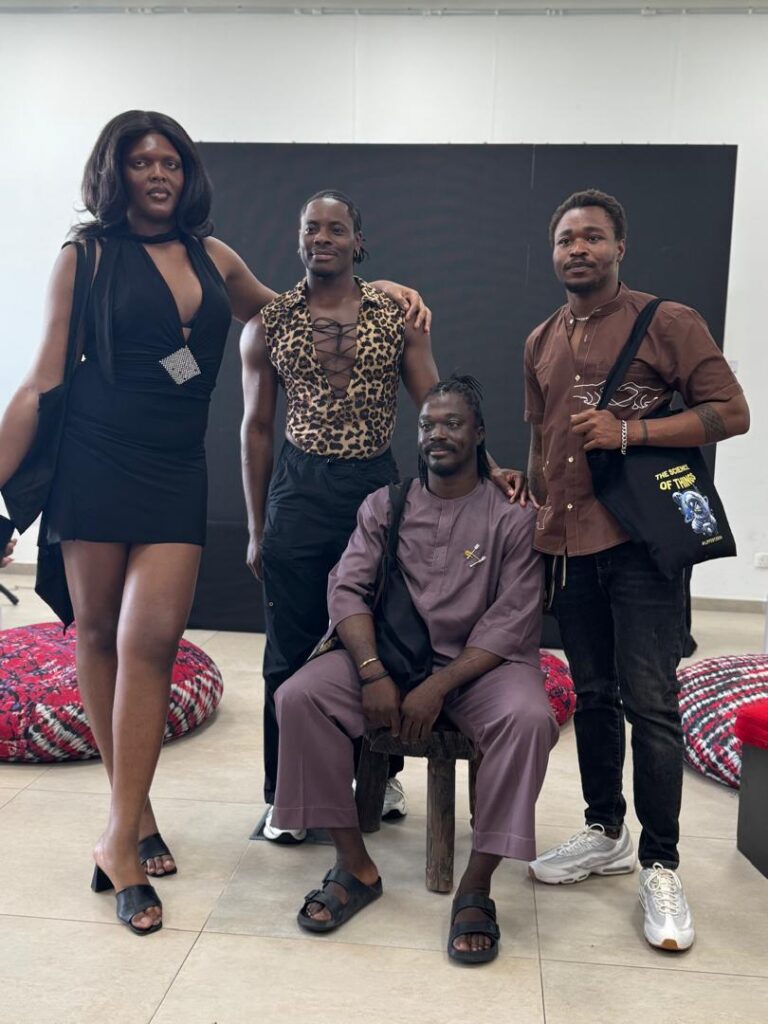
- Participants pose at an Obodo Nigeria event at the Lagos international poetry festival.
-
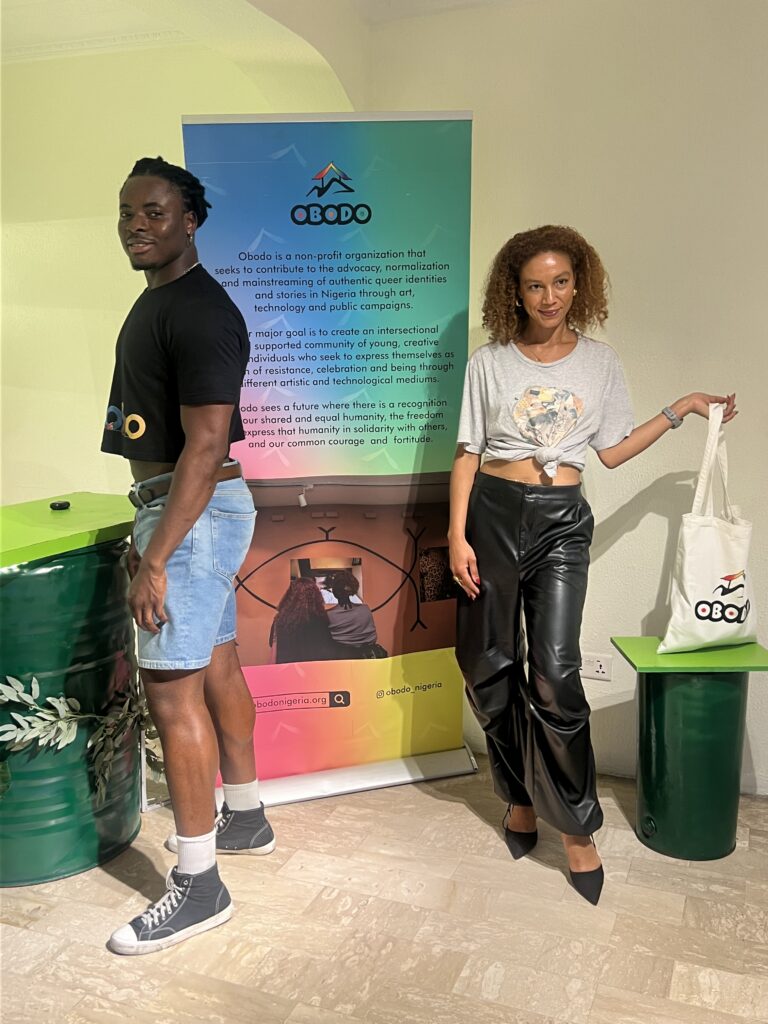
- Anna Akuson, a Ghanaian German Feminist and Lawyer visits Obodo Nigeria.
-
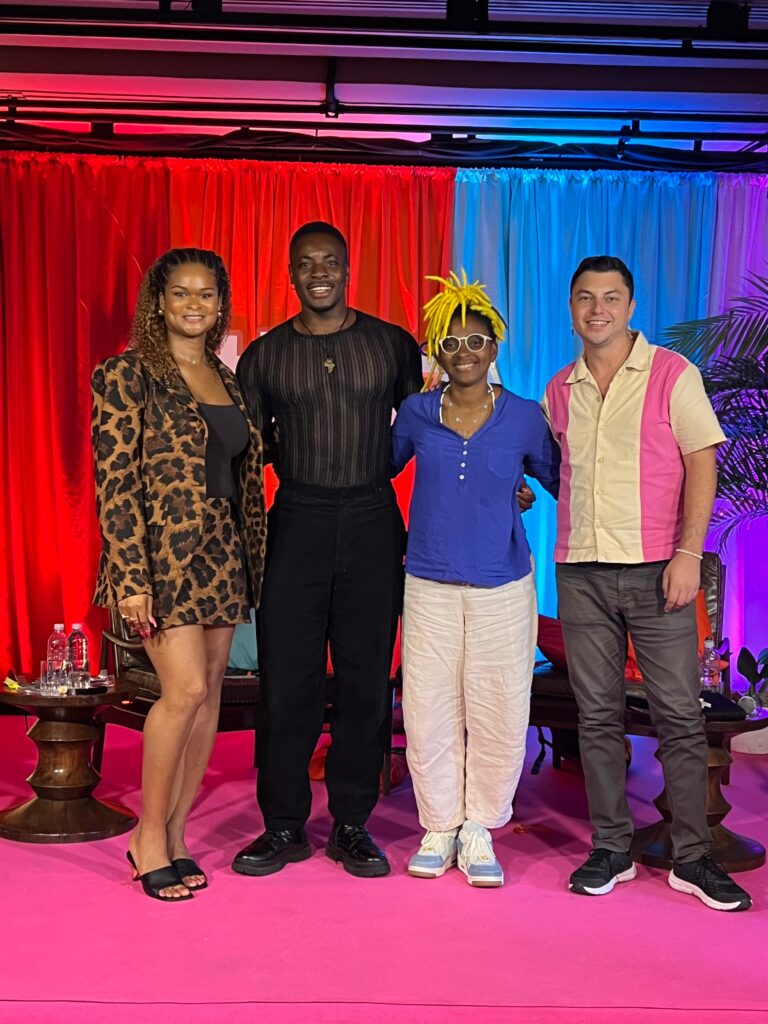
- Matthew alongside panelists at a Global Artivism session.
-
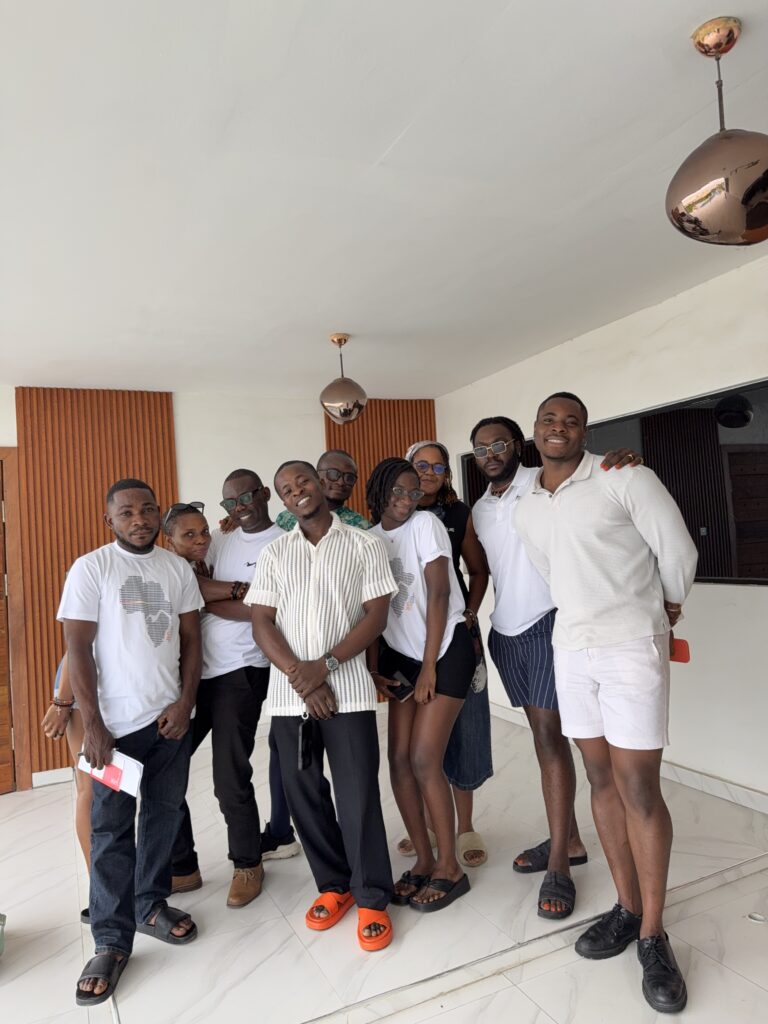
- Obodo Nigeria staff members at a team retreat.