
Barby Asante: Creating in a World on Fire
August 03, 2026 - By Grace Anderson, The Lupine Collaborative
This is the fifth in a series of blog posts by Shifting Systems Initiative Fellow, Grace Anderson (The Lupine Collaborative), reflecting on Global Artivism — “a movement that makes the case that artists are not side players in social change—they are the center architects of it.” This series intends to highlight how Queer, Black, Indigenous, People of Color, and others on the margins continue to create what their communities need instead of waiting on the systems, including philanthropy, to change.
Barby Asante is conflicted about the role of fire.
“The world is on fire” has become modern shorthand, describing how social, ecological, political, and economic crises are interlocking and worsening living conditions for many.
Some artists find that these conditions are ripe for transformation, an opportunity to burn down what was and rebuild in the ashes. But Asante, a London-based artist, curator, and educator, knows that fire can destroy indiscriminately.
We spoke on Zoom a few days before the 9th anniversary of the devastating Grenfell Tower Fire in West London. On June 14, 2017, the high-rise tower caught fire, killing 72 people. A few days after our conversation, Asante joined a silent march to commemorate the lives of those lost in the fire, including Khadija Saye, with whom Asante displayed artwork alongside at the Venice Biennale Diaspora Pavilion the same year.
She apologized for the melancholy turn in the conversation before saying, “I wonder if, since then, I don’t feel fire as being a transformative thing. We’re in the midst of a lot of fire right now,” she says, referring to the sociopolitical climate. “It’s hot, indiscriminate, and many of us don’t have enough protective gear.”
After a reflective pause, she says, “However, I suppose if I could get into myself a little bit more, I can connect to another kind of possibility in which we can put something into the fire, like a clay pot, you know? We can glaze that clay pot with things that are not very exciting, and something else can come out of that fire which is beautiful, glazed, and exciting.”
This is one of Asante’s strengths. She has a keen ability and desire to circle an idea and take it in from various perspectives to understand all that it could be. Her mind is akin to a painting on a gallery wall that she takes the time to view from every angle to see all possible perspectives. This strength is poured into her work, where she asks viewers to consider new possibilities about the “politics of place, space, memory and the histories and legacies of colonialism.”
Her most enduring work, Declaration of Independence, debuted on the opening night of the Venice Biennale Diaspora Pavilion in 2017. The piece consisted of seven performers responding to Ghanaian poet Ama Ata Aidoo’s 1992 poem, As Always, a Painful Declaration of Independence, which “declares independence not only from a colonial ruler but also self-determined gendered and racial independence.”
That night, on the floor of the pavilion, contributors read their own “declarations” — stories, memories, and knowledge that would have otherwise been stored away or forgotten. Through the performance, Asante encouraged audience members to celebrate the continued legacies of survival and liberation.
Nearly a decade after its debut, the Declaration of Independence has taken on many forms. More than 100 people across geographies have taken part in the declaration, and their iterations have been broadcast through video installations, live performances, sound works, and displays in London’s Underground.
-
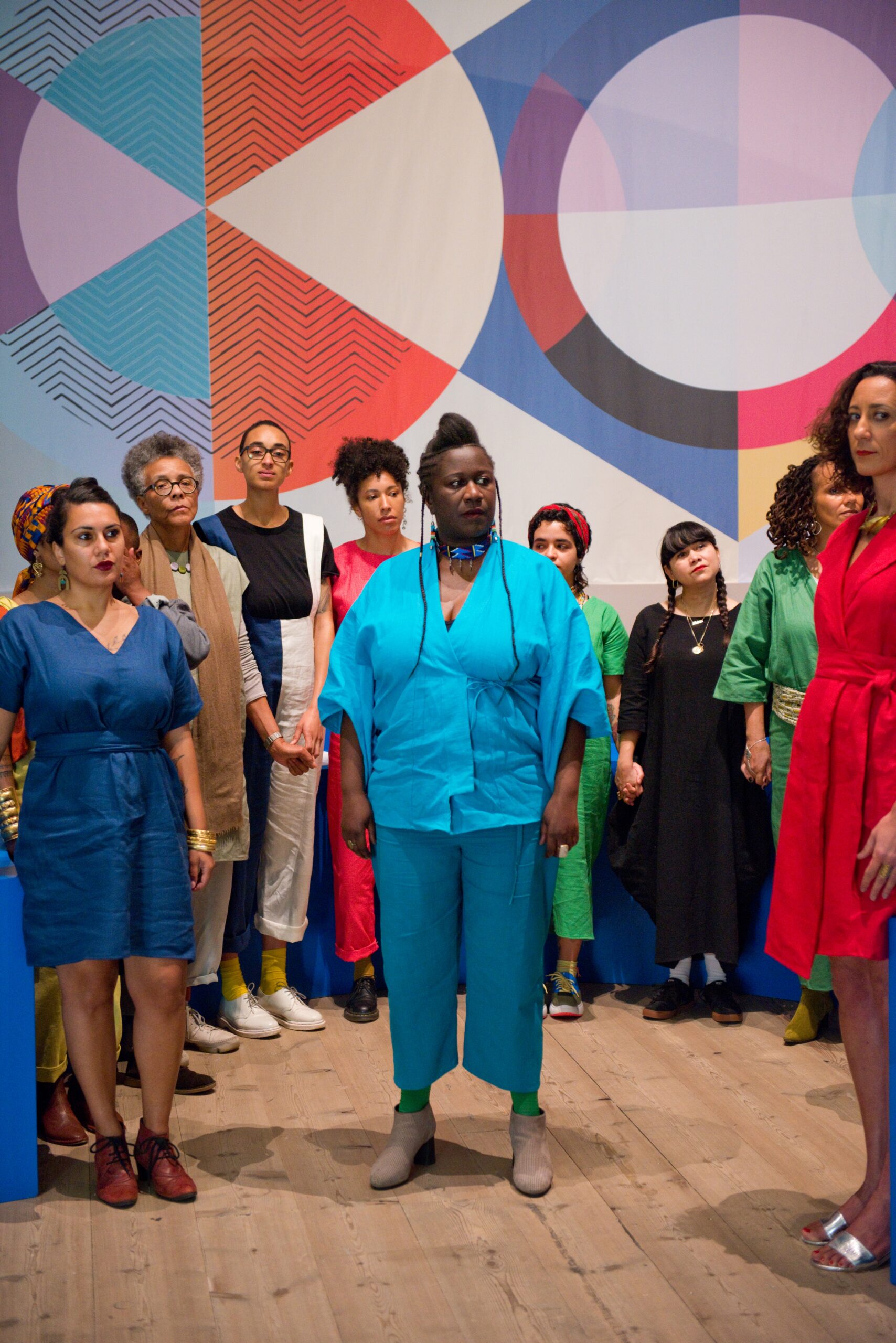
- Declaration of Independence Performance, BALTIC, photography Colin Davidson
-
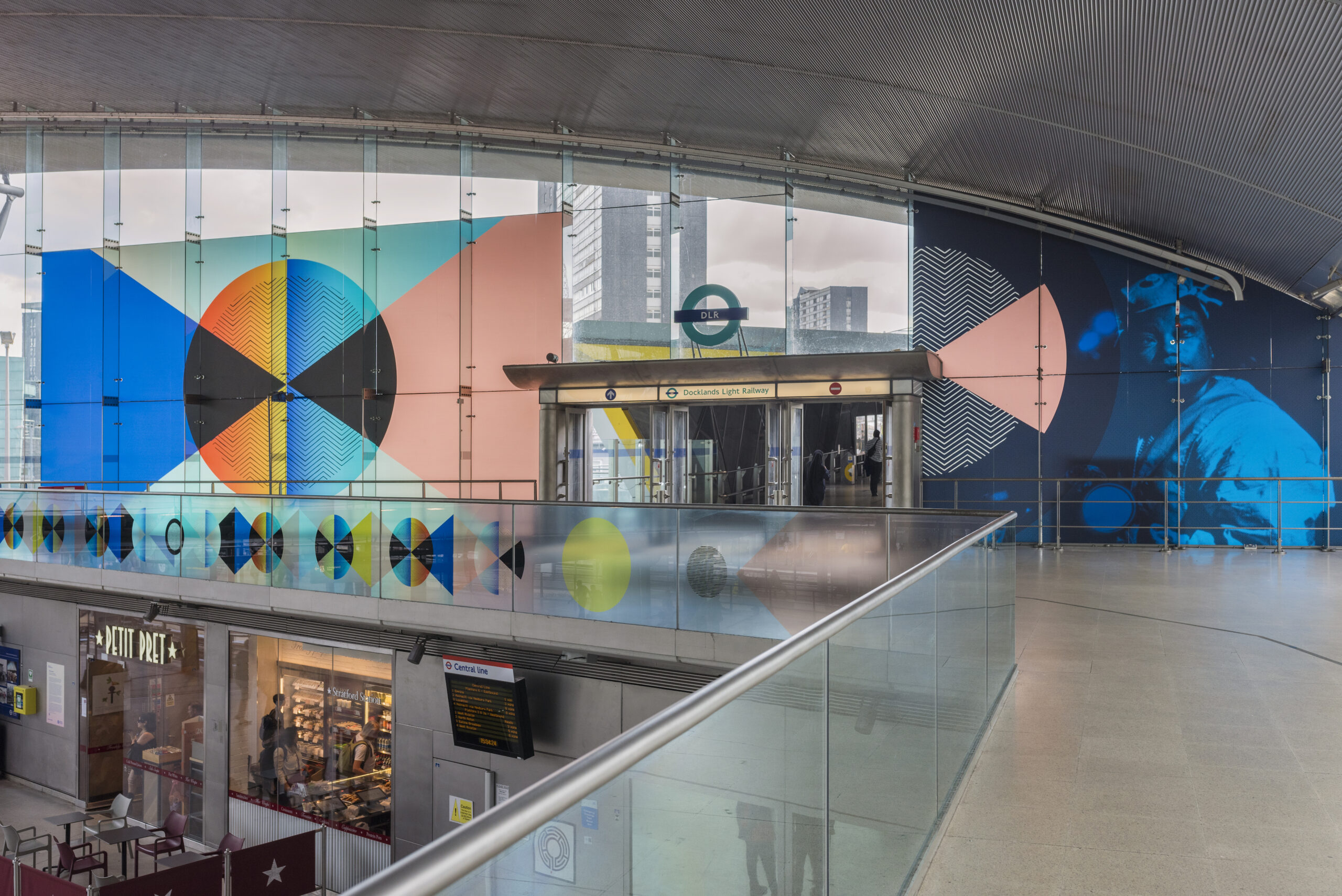
- Art on the Underground – Declaration of Independence, Stratford Station, September 2023, Photography by Thierry Bal
“My dreaming is always about bringing people together,” she says.
Asante’s 2014 performance, Noise Summit, gave children in South London a microphone, PA system, and receptive musicians to explore how children and young people are deterred, and even barred, from expressing themselves in public spaces.
Currently, she produces RE-PERCUSSIONS with her child, Rabz. The pair invite people to “gather, to listen deeply, and to follow the drum’s echoes—its histories and reverberations” in what attendees have dubbed a “living room” series.
-
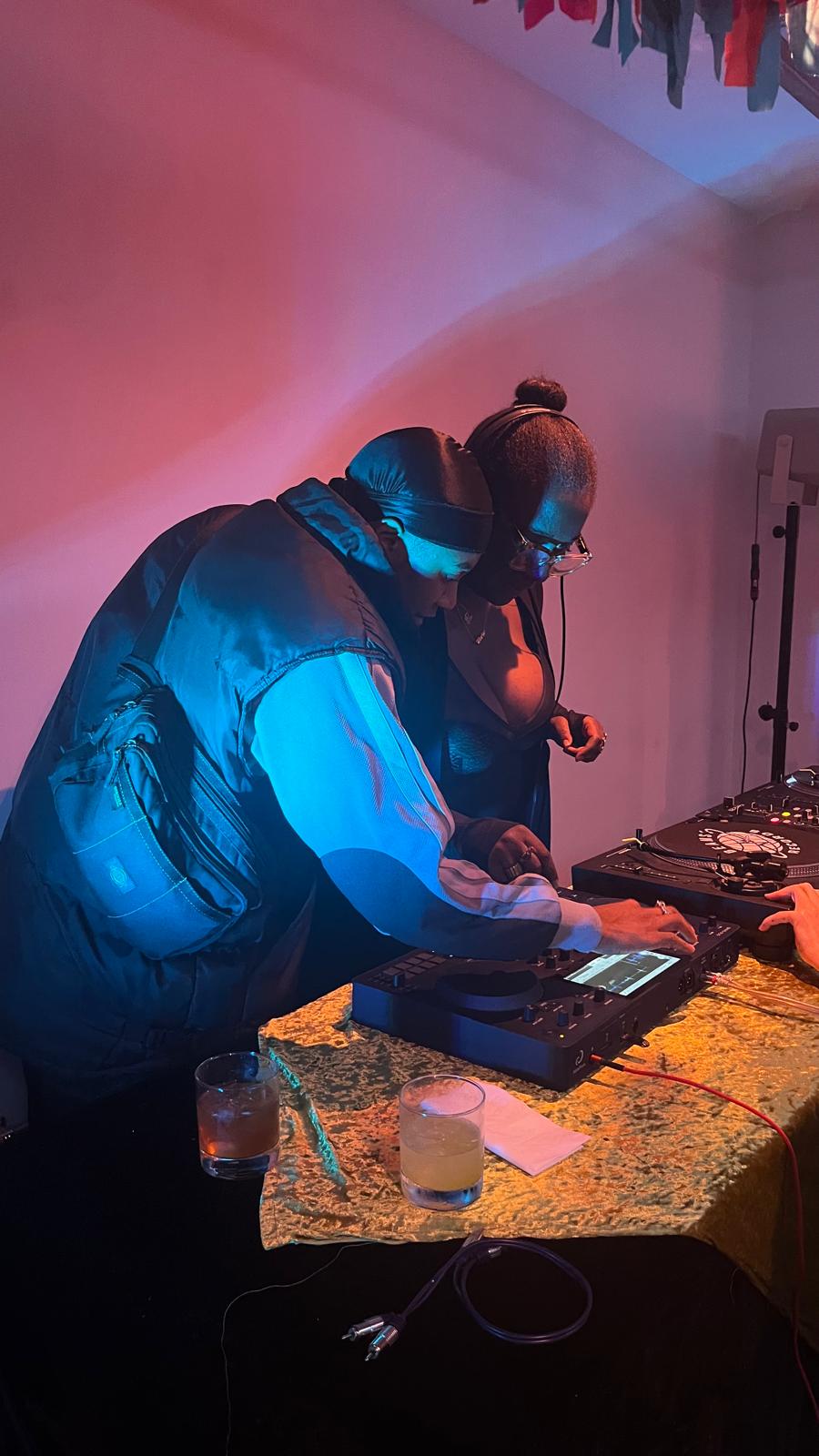
- Barby & Rabz at RE- PERCUSSIONS, Studio 12, London, June 2026
-
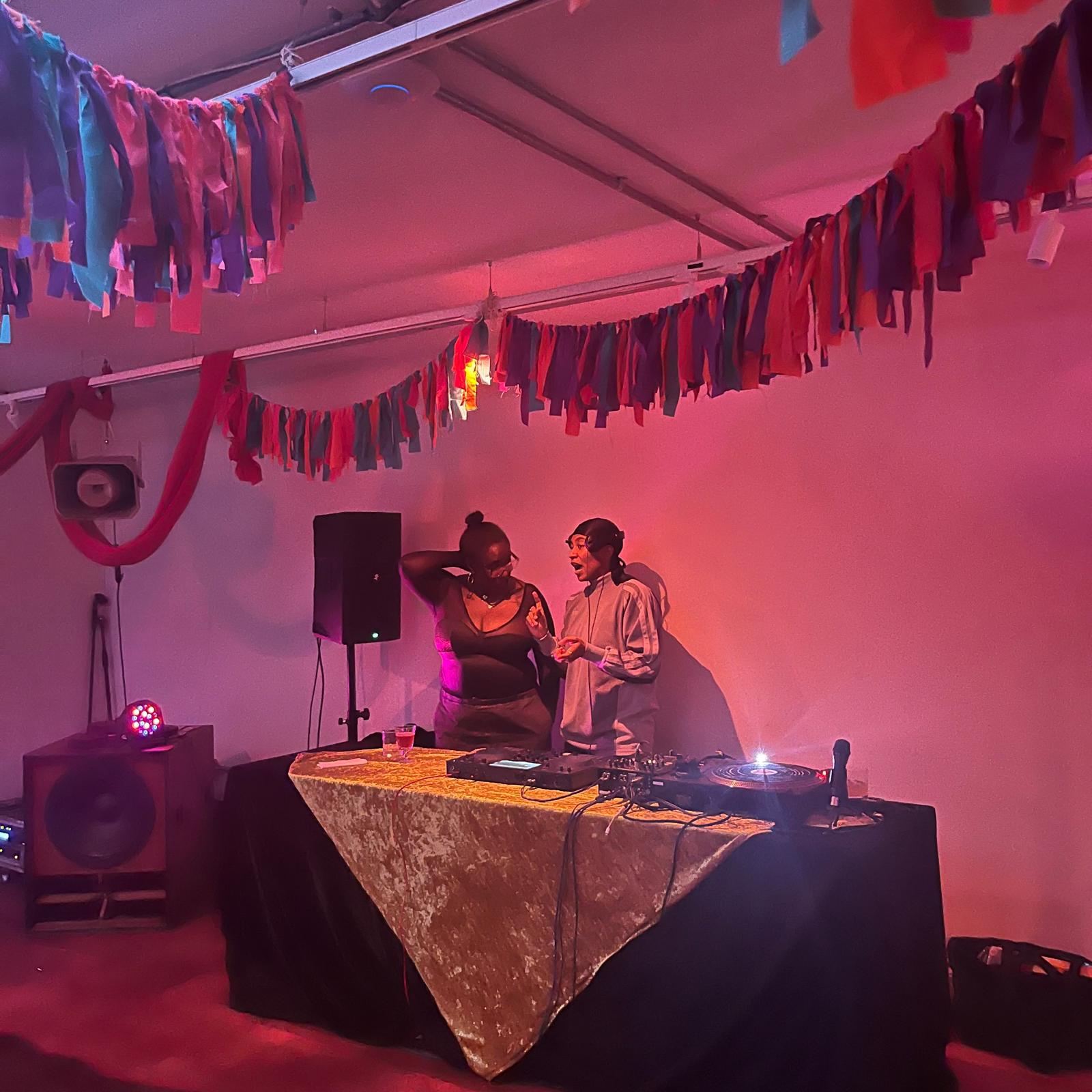
- Barby & Rabz at RE- PERCUSSIONS, Studio 12, London, June 2026
With 30 years as an artist behind her, Asante has amassed a diverse network of global collaborators. When I asked her who else was necessary to do her work, she didn’t miss a beat, listing name after name, taking slight detours here and there to provide backstories on people. As she spoke, it became clear that collaboration is Barby’s art, and community is her medium.
As I wrapped up my conversation with Asante, I was reminded of a quote by prison abolitionist and organizer Mariame Kaba, who said, “nothing that we do that is worthwhile is done alone.” Asante’s dreaming is sustained and buoyed by collaboration. By creating alongside others, she is casting an assortment of ideas and possibilities into the fire to forge both beautiful and exciting opportunities. So, while she struggles to dream in a world on fire, producing and learning within its flames is what she is being called to do.
Back to News